

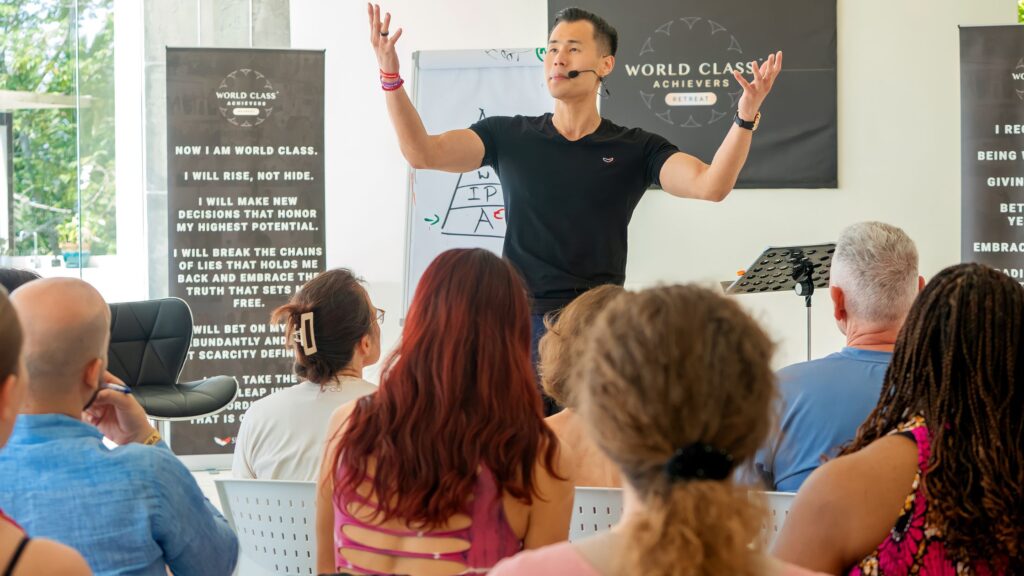
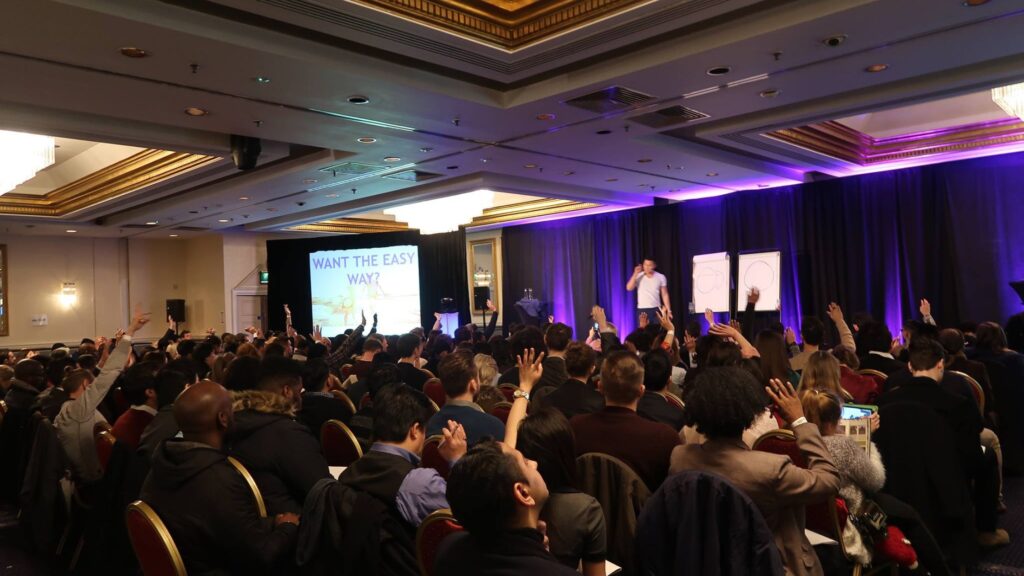
We had the chance to speak with Tim Han, founder of Success Insider, a well-known coach and international speaker. For years, he has inspired people around the world to unlock their potential by focusing on growth rather than chasing perfection. Known for his clear and practical style, Tim Han helps individuals take small steps that lead to lasting change. In this conversation, he shares why progress creates real results, how consistency builds confidence, and why action matters more than waiting for the perfect moment.
Interviewer: Welcome, Tim Han. Thank you for joining us today to share your thoughts on success and progress.
Tim Han: Thank you for having me. I’m glad to be here and share insights that can hopefully help others move forward in their journey.
Interviewer: Why do you say progress matters more than perfection?
Tim Han: Perfection is often an illusion; it holds people back. Progress, even small steps, creates momentum. When we focus on progress, we keep learning and growing, and that builds confidence. Perfection stops people from starting, but progress encourages action. Every step forward brings us closer to our goals, and that matters more than waiting for the perfect moment, which may never come. Progress is what truly shapes success.
Interviewer: How can someone start focusing on progress instead of perfection?
Tim Han: The best way is to take small daily actions. Instead of waiting for the perfect plan, start with what you can do today. Break big goals into small steps, and measure progress by effort and improvement, not flawless results. This shift in mindset makes it easier to stay consistent and build habits. Remember, success comes from small wins over time, not one perfect step. Progress gives clarity, while perfection often causes stress.

Interviewer: Why do you think perfection holds people back?
Tim Han: Perfection creates fear, fear of failing, fear of judgment, and fear of not being good enough. Many people delay action because they think things must be flawless before starting. But the truth is, perfection doesn’t exist. Waiting only wastes time and energy. Progress, on the other hand, gives you real-life lessons and builds resilience. It’s through action and mistakes that growth happens. Perfection freezes people, but progress frees them to move forward.
Interviewer: How can progress build confidence?
Tim Han: Confidence doesn’t appear overnight; it grows from action. When you take small steps and see improvement, even if it’s not perfect, you feel stronger. Each step shows you that you’re capable, and that builds self-belief. Progress is proof that you can grow, adapt, and achieve. Over time, those small wins compound into real confidence. Perfection asks for instant success, but progress allows you to build confidence gradually, which is much more sustainable.
Interviewer: What role does consistency play in progress?
Tim Han: Consistency is the bridge between goals and results. Progress is not about big leaps; it’s about small steps taken again and again. When you show up daily, even with tiny actions, you create habits that shape your future. Consistency makes progress natural because it builds discipline and momentum. Perfection often leads to burnout, but consistency creates steady growth. Over time, consistency multiplies progress and makes success feel less overwhelming and more achievable.
Interviewer: How can someone track progress effectively?
Tim Han: Tracking progress is about measuring improvement, not chasing perfection. Journaling, setting weekly goals, or reflecting daily can help you see growth. Celebrate small wins and notice what’s improving, even if it feels minor. Progress is about being better than yesterday, not about being flawless today. By reviewing your steps, you’ll notice patterns, learn what works, and adjust when needed. Tracking keeps you motivated because you see evidence that progress is happening.
Interviewer: Can progress be more important than talent?
Tim Han: Absolutely. Talent is useful, but without progress and practice, it fades. Progress means you’re taking action to improve, regardless of natural ability. Many successful people started with average talent but achieved extraordinary results through persistence and progress. Perfection might make you wait until you “feel ready,” but progress pushes you to keep going and learning. Over time, consistent progress outshines raw talent. Effort and growth will always beat waiting for perfection.
Interviewer: How can progress help people deal with failure?
Tim Han: Progress changes how you see failure. Instead of viewing it as the end, you see it as part of growth. Each setback becomes feedback that helps you adjust. Progress is about learning from mistakes and moving forward stronger. When you measure success by progress, failure feels less scary because it’s just another step in the journey. Perfection avoids failure, but progress embraces it as a teacher. That mindset makes you resilient.
Interviewer: Why is progress a better motivator than perfection?
Tim Han: Progress is motivating because it gives immediate feedback, you see results, no matter how small. Each step forward fuels the desire to keep going. Perfection, however, is discouraging because it’s unreachable. When people chase perfection, they often feel stuck or disappointed. Progress, on the other hand, celebrates effort, growth, and movement. Motivation grows when you know you’re advancing, even if slowly. That’s why progress creates long-term motivation, while perfection creates frustration.

Interviewer: How does progress help people take action faster?
Tim Han: When you focus on progress, you stop waiting for perfect conditions. Instead, you act now with what you have. That speeds things up, because you’re not stuck overthinking. Each action brings clarity, and clarity creates confidence. By moving forward, even imperfectly, you gain experience and results much faster. Progress makes action simple and less stressful. Perfection slows people down, but progress pushes them to start today and learn along the way.
Interviewer: How does progress affect learning?
Tim Han: Progress is learning in action. Every step, even small, teaches you something new. When you try, test, and adjust, you gather real-life lessons that no theory can replace. Perfection tries to avoid mistakes, but mistakes are where learning happens. By focusing on progress, you stay open to lessons and grow your skills naturally. It’s the journey that teaches the most, not waiting for perfect knowledge. Progress is the best teacher of all.
Interviewer: Why is progress important in building habits?
Tim Han: Habits don’t form overnight; they’re built through progress. Each small step, like reading one page or exercising for five minutes, makes it easier to build consistency. Over time, these actions become habits that shape your lifestyle. Perfection makes people quit because they feel they must do everything perfectly from day one. Progress allows flexibility, you grow stronger with practice. Building habits with progress keeps you moving forward until the actions become part of who you are.

Interviewer: Can progress help reduce stress in daily life?
Tim Han: Yes, it can. Perfection creates pressure to get everything right, which leads to stress. Progress takes that pressure away, because the focus is simply on moving forward. When you allow yourself to make mistakes and still grow, daily tasks feel lighter. You no longer chase impossible standards, you aim for improvement. That mindset reduces stress and makes life more enjoyable. Progress is about growth, not flawless performance, and that shift brings peace of mind.
Interviewer: How can leaders use progress to inspire others?
Tim Han: Leaders who show progress, rather than perfection, inspire trust. When leaders admit mistakes and share their growth journey, it encourages others to take action without fear. Progress creates relatability; people see that success is possible through small, consistent steps. A leader who values progress motivates teams to learn, improve, and innovate. Perfection makes leaders seem distant, but progress makes them human and approachable. That inspires others to keep moving forward with confidence.
Interviewer: Why is progress more sustainable than perfection in the long run?
Tim Han: Perfection is draining; it demands endless energy without reward. It often leads to burnout or giving up. Progress, however, is sustainable because it focuses on steady growth. Small actions are easier to maintain daily, and they build momentum. Over time, progress creates lasting habits and results. It’s realistic, achievable, and motivating. In the long run, progress ensures consistent improvement, while perfection often causes people to stop completely. Progress always wins with sustainability.

Interviewer: What final advice would you give about focusing on progress?
Tim Han: My advice is simple: don’t wait for perfection, just start. Every step counts, and small actions add up to big results. Measure yourself by how far you’ve come, not by how flawless you look. Remember, success is a journey, not a finish line. Progress is proof that you’re moving forward, and that’s all that matters. Embrace mistakes, learn from them, and keep going. Progress makes the journey meaningful, while perfection only delays it.
Interviewer: Thank you, Tim Han, for sharing these valuable insights on progress over perfection.
Tim Han: Thank you for inviting me. I hope this conversation helps people take action, focus on growth, and remember that progress, not perfection, is what leads to success.