
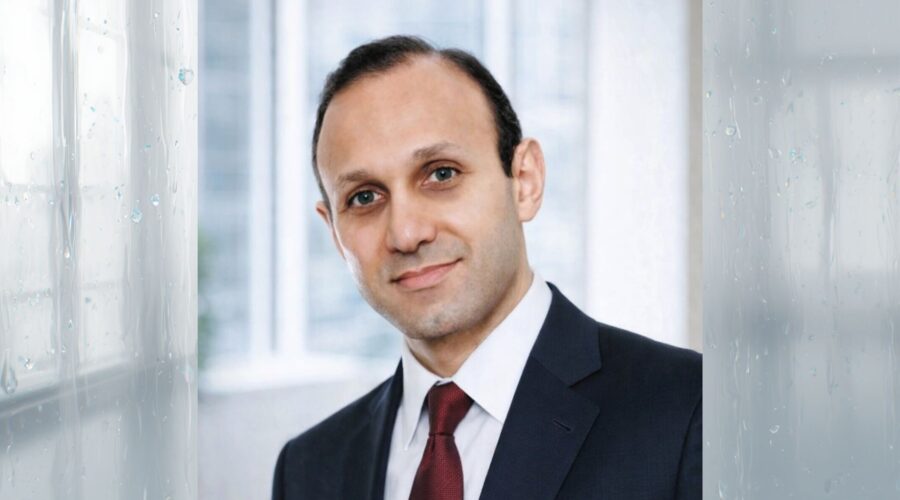
We spoke with Dr Laith Barnouti, a leading Sydney plastic surgeon and founder of Sydney Plastic Surgery, known for his safety-focused and natural surgical results. With extensive Australian and international training, he performs breast, facial, and body procedures, appears regularly in the media, and lectures at UNSW.
In this conversation, based on the theme “Safety Comes Before Cosmetic Trends,” Dr Laith Barnouti explains why patient safety should always come before popular beauty trends. He shares how careful assessment, proven techniques, and honest guidance help patients make informed decisions. Dr Barnouti also discusses how prioritising safety leads to better outcomes, smoother recovery, and long-term confidence, reminding patients that true cosmetic success is built on health, trust, and responsible medical care.
Interviewer: Today, we’re joined by Dr Laith Barnouti, a specialist plastic surgeon known for putting patient safety first in cosmetic care. He believes that safety should always come before cosmetic trends. Thank you so much for being here.
Dr Laith Barnouti: Thank you for inviting me. I’m grateful for the chance to talk about why safety matters most in cosmetic surgery. It’s something I truly care about, and I believe every patient deserves honest guidance and safe treatment above anything else.
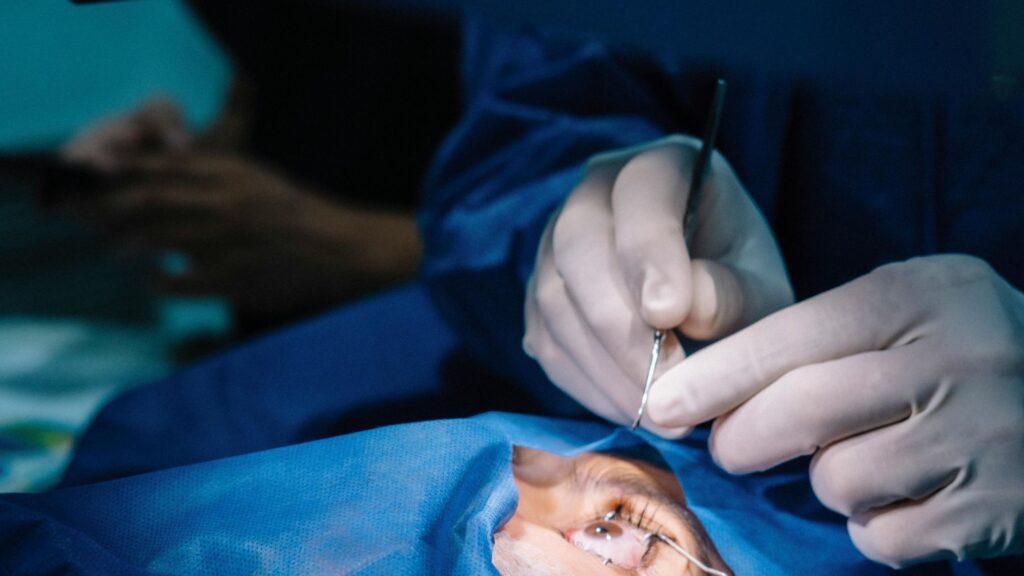
Interviewer: What does the phrase “safety comes before cosmetic trends” mean to you?
Dr Laith Barnouti: To me, this means that no beauty trend is ever more important than a patient’s health. Trends change very fast, but the human body does not. Every treatment must be chosen with care, medical knowledge, and long-term safety in mind. If a trend carries extra risk or is not suitable for a patient, it should not be followed. A safe result that lasts is always better than a risky trend that fades quickly.
Interviewer: Why do you think cosmetic trends can sometimes be risky?
Dr Laith Barnouti: Many cosmetic trends spread quickly through social media, not through medical research. Some are promoted by people without proper training. These trends often focus on fast results, not on safety or long-term effects. When patients follow trends without understanding the risks, problems can happen. As a doctor, my role is to slow things down, explain the facts clearly, and make sure decisions are based on science, not popularity.
Interviewer: How do you explain safety concerns to patients who want trendy treatments?
Dr Laith Barnouti: I start by listening carefully to what the patient wants and why they want it. Then I explain how the treatment works, what the risks are, and whether it suits their body. I use simple language and honest examples. If a trend is unsafe or not ideal, I explain the reasons calmly. Most patients appreciate clear guidance when they understand that their safety is the top priority.
Read More: Alcide Honoré Says, “Lost Revenue Is a Problem that Good Systems Can Solve.
Interviewer: Do patients ever feel disappointed when you advise against a trend?
Dr Laith Barnouti: Sometimes they do at first, especially if they came in with strong expectations. However, once I explain the risks and long-term issues, most patients understand. They usually feel reassured knowing their health is being protected. My goal is not to say “no,” but to guide them toward safer choices. In the end, patients are happier when they feel informed and cared for.
Interviewer: How do you balance patient wishes with medical responsibility?
Dr Laith Barnouti: Listening is very important, but medical responsibility always comes first. I respect patient wishes, but I must also protect them from harm. If a request is unsafe, I cannot agree to it. Instead, I offer safer options that still meet their goals. This balance builds trust. Patients know I am not just trying to please them, but to look after their well-being in the best way possible.
Interviewer: Why is long-term safety more important than short-term beauty results?
Dr Laith Barnouti: Short-term results may look good for a short time, but problems can appear later. These problems can be hard to fix and may affect health and confidence. Long-term safety means the body heals well and the results age naturally. A good outcome should still look and feel right years later. Beauty should never come at the cost of future pain, complications, or regret.
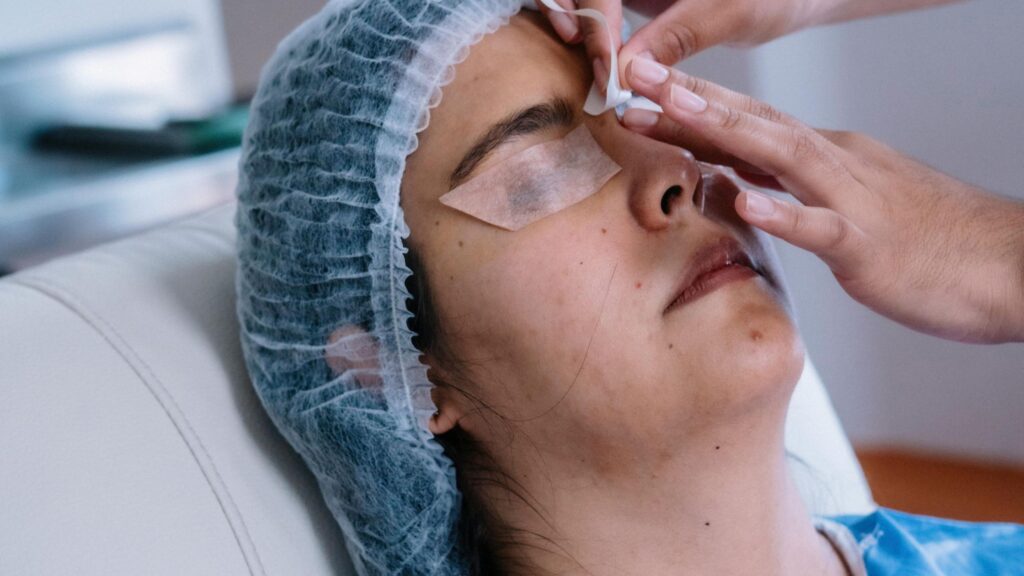
Interviewer: How do trends influence patient expectations today?
Dr Laith Barnouti: Trends create very high and sometimes unrealistic expectations. Patients often see edited photos and think those results are easy or risk-free. This can lead to pressure to rush decisions. My role is to bring expectations back to reality. I explain what is medically possible and safe. Clear education helps patients make choices based on facts, not online images.
Interviewer: What role does education play in keeping cosmetic procedures safe?
Dr Laith Barnouti: Education is one of the most important tools for safety. When patients understand procedures, risks, and recovery, they make better decisions. I believe informed patients feel more confident and less anxious. Education also helps them see why certain trends are unsafe. A well-informed patient is more likely to choose a treatment that suits them and avoids unnecessary risks.
Interviewer: How do you stay focused on safety when trends keep changing?
Dr Laith Barnouti: I focus on medical training, research, and proven techniques. While I stay aware of trends, I do not let them guide my decisions. Safety standards do not change just because a trend becomes popular. I constantly review medical evidence and outcomes. This helps me decide what is safe to offer and what should be avoided, no matter how popular something becomes.
Interviewer: Can following trends too closely affect patient trust?
Dr Laith Barnouti: Yes, it can. If doctors follow trends without considering safety, patients may suffer and lose trust. Trust is built when patients see consistent, careful decisions. When they know safety comes first, they feel protected. This trust is very important in cosmetic work, where patients place great confidence in their doctor’s advice and skills.
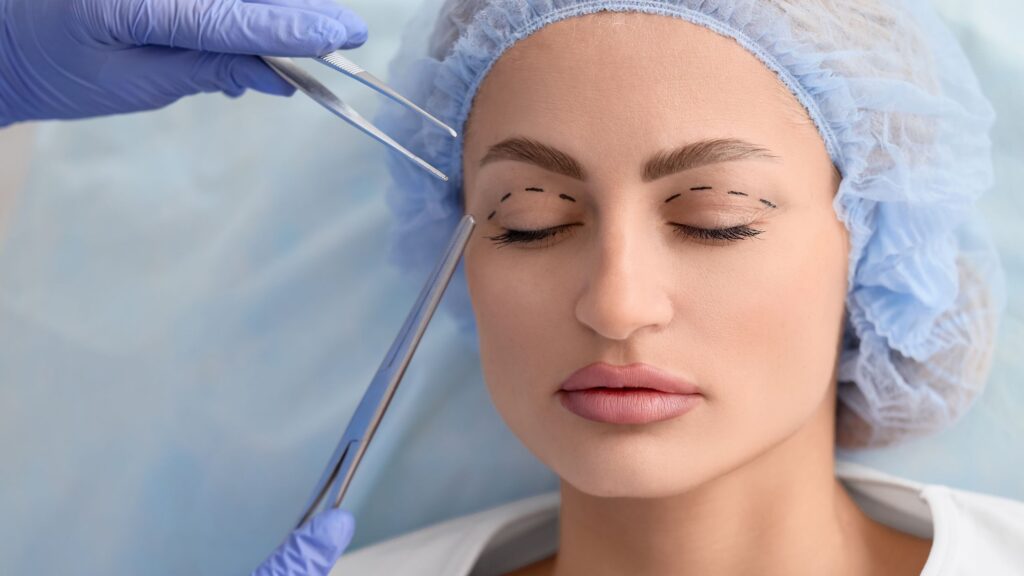
Interviewer: How do you help patients feel confident when you suggest safer alternatives?
Dr Laith Barnouti: I explain how safer options can still achieve natural and pleasing results. I show how these choices fit their body and goals better. Clear communication and realistic examples help patients feel comfortable. When patients understand that safer alternatives can still look good, their confidence grows. They feel supported rather than restricted.
Interviewer: Why do you believe doctors should lead, not follow, cosmetic trends?
Dr Laith Barnouti: Doctors are trained to protect health, not to chase popularity. If doctors follow trends blindly, safety can be lost. Leading means using knowledge, experience, and ethics to guide patients correctly. Trends should be carefully evaluated, not copied. When doctors lead with safety, patients benefit from better care and more reliable outcomes.
Interviewer: How does prioritizing safety improve cosmetic results overall?
Dr Laith Barnouti: Safe procedures heal better and last longer. When the body is respected, results look more natural and stable over time. Complications are fewer, and recovery is smoother. This leads to better satisfaction for patients. Safety is not separate from good results; it is the foundation of them. Without safety, even the best-looking result can fail.
Interviewer: What message do you want patients to remember about cosmetic trends?
Dr Laith Barnouti: I want patients to remember that trends are temporary, but their health is permanent. Just because something is popular does not mean it is safe or right for everyone. Asking questions and trusting medical advice is very important. Choosing safety first leads to better experiences and outcomes. Beauty should enhance life, not create new problems.

Interviewer: How does this safety-first approach shape your daily practice?
Dr Laith Barnouti: Every decision I make is guided by patient safety. From consultations to treatment choices, I focus on what is medically sound. I take time to explain, assess, and plan carefully. This approach creates trust and long-term satisfaction. By putting safety before trends every day, I ensure patients receive responsible care that supports both their health and confidence.
Interviewer: Thank you again for your time, Dr Laith Barnouti, and for sharing your thoughts with such care. Your message helps people understand that safety should always come before following trends.
Dr Laith Barnouti: Thank you for having me. I really appreciate the opportunity to speak about this important topic. My hope is that our discussion encourages people to think carefully, ask questions, and always choose safety first, because good results should never come at the cost of health.