
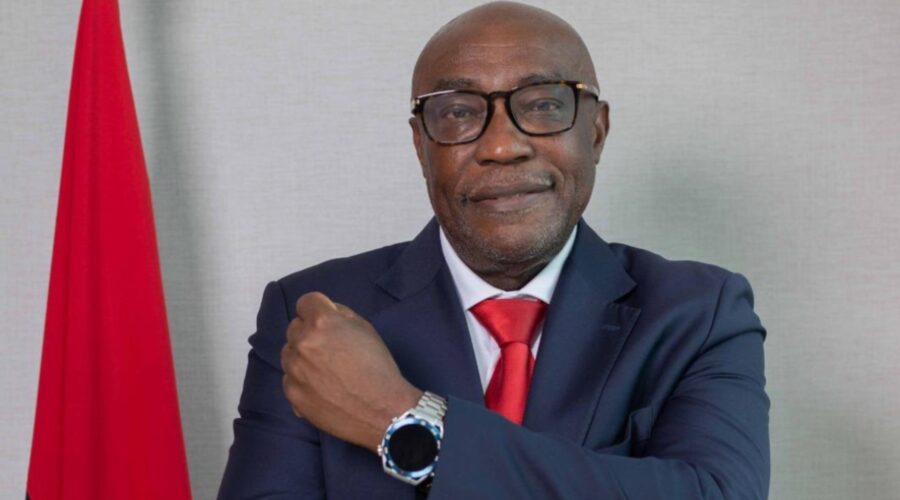
Pedro Sebastião Teta is an Angolan engineer, professor, public leader, and technology expert with years of experience in science, education, and national development. Pedro Sebastião Teta studied Computer and Control Engineering at the Polytechnic University of Bucharest, where he completed his bachelor’s, master’s, and PhD degrees. Over the years, he has served in major leadership roles connected to technology and public service in Angola. He also works closely with education, research, and economic growth through his role at the Fundo Soberano de Angola.
Today we have Pedro Sebastião Teta with us to discuss leadership in science and technology. In this interview, he shares lessons from his career, his thoughts on education, and the role technology plays in solving real problems. He also explains how young people can prepare for future opportunities in science and research.
Interviewer: You have worked in science, education, and public administration for many years. What first inspired your interest in technology?
Pedro Sebastião Teta: I became interested in technology when I was young because I saw how technical knowledge could solve daily problems. I wanted to understand how systems work and how engineering could improve communication, learning, and public services. During my studies, I realized technology could help countries grow faster when leaders use it with clear goals.
Interviewer: What does leadership in science and technology mean to you?
Pedro Sebastião Teta: Leadership means guiding people toward practical results. In science and technology, leaders must support research, education, and teamwork. They must also make decisions that help society. A strong leader listens to experts, studies problems carefully, and focuses on long term progress instead of short term attention.
Interviewer: You have worked in government roles connected to technology. What lessons did you learn from public service?
Pedro Sebastião Teta: Public service taught me the value of responsibility. When you work in government, your decisions affect many people. I learned that planning is very important. You also need patience because large projects take time. One lesson that stayed with me is that good communication helps teams work better and avoid confusion.
Interviewer: Angola has made progress in telecommunications and information technology. What helped move that progress forward?
Pedro Sebastião Teta: Progress came from cooperation between government, universities, and private companies. We focused on improving infrastructure and training skilled workers. We also encouraged projects that connected more people to digital services. Step by step, those efforts created better access to communication and information.
Interviewer: Many young people want careers in technology today. What advice would you give them?
Pedro Sebastião Teta: I always tell young people to focus on learning every day. Technology changes quickly, so you must stay curious. Build strong skills in mathematics, engineering, and computer science. At the same time, improve your communication and teamwork skills. Employers value people who can solve problems and work well with others.
Interviewer: You also work as a university professor. How does education shape future leaders?
Pedro Sebastião Teta: Education gives people the tools to think clearly and make better decisions. In universities, students learn technical knowledge, but they should also learn discipline and responsibility. Good education prepares people to lead projects, manage teams, and support their communities. Teachers have a major role because they guide students during important years of growth.
Interviewer: Research often receives less attention than business or politics. Why is research important for national growth?
Pedro Sebastião Teta: Research helps countries understand challenges and create better solutions. Without research, leaders make decisions without enough information. Research also supports medicine, agriculture, engineering, and public planning. Countries that invest in research usually improve faster because they create new ideas and develop local talent.
Also Read: Patrick Kennelly Talks About Leading Anthony G. Ferry Inc
Interviewer: What challenges do developing countries face in science and technology?
Pedro Sebastião Teta: One major challenge is access to resources. Some schools and research centers need better equipment and funding. Another challenge is training enough qualified professionals. Brain drain also affects progress because skilled workers sometimes leave for opportunities in other countries. To address these issues, countries need strong education systems and long term planning.
Interviewer: How can leaders encourage more young people to enter science and engineering fields?
Pedro Sebastião Teta: Leaders should create opportunities for students early in their education. Schools can organize science competitions, technical workshops, and mentorship programs. Young people need examples they can relate to. When students meet engineers, researchers, and technology professionals, they begin to see those careers as possible for themselves.
Interviewer: You have represented Angola in international organizations, including the United Nations. What did those experiences teach you?
Pedro Sebastião Teta: International meetings showed me that countries often face similar challenges. I learned the importance of cooperation and knowledge sharing. Nations can learn from each other’s experiences in education, technology, and economic planning. Those discussions also showed me that leadership requires openness to new ideas.
Interviewer: What role does technology play in economic development today?
Pedro Sebastião Teta: Technology supports many parts of the economy. It improves communication, banking, transportation, education, and healthcare. Small businesses can reach more customers through digital tools. Governments can also provide faster public services through technology. Countries that invest in digital systems create more opportunities for both businesses and citizens.
Interviewer: What message would you like to share with future leaders in science and technology?
Pedro Sebastião Teta: Stay committed to learning and hard work. Focus on solving real problems instead of chasing titles. Respect teamwork because progress rarely comes from one person alone. Young leaders should also remember that knowledge becomes more useful when it helps people improve their lives. If you stay disciplined and continue learning, you can create positive change in your country and beyond.
Pedro Sebastião Teta’s journey shows how education, research, and leadership can support national growth. His experience in engineering, public service, and higher education offers valuable lessons for students, professionals, and future leaders. Through his work in science and technology, he continues to encourage learning, research, and responsible leadership for future generations.