

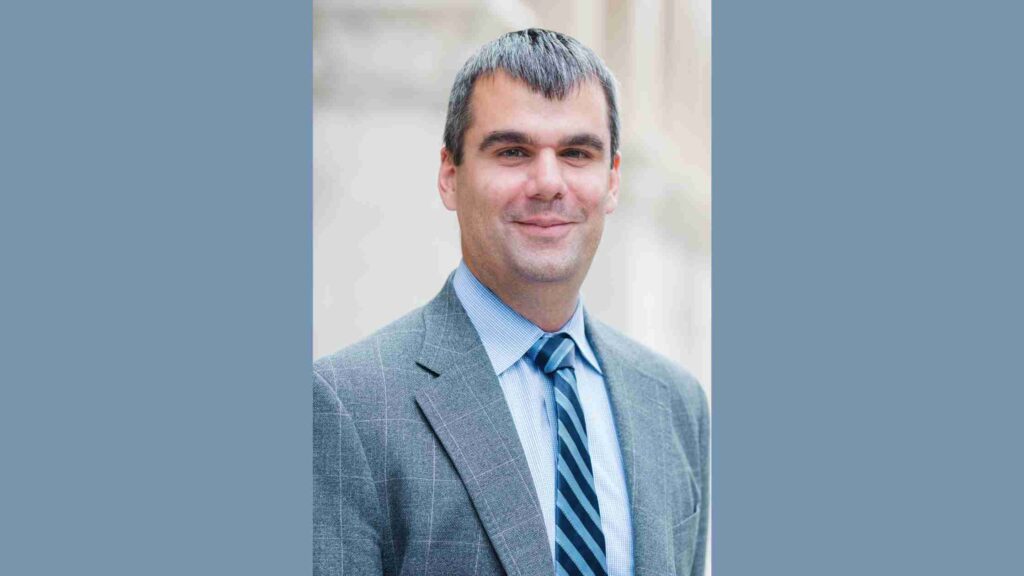
We had the opportunity to speak with Brian Caper, an experienced economic development leader who works closely with cities and communities to support long-term growth. He is known for helping local governments plan smart development strategies that create jobs, strengthen neighborhoods, and attract responsible investment. His work focuses on guiding communities from early planning through successful implementation.
Brian Caper shares his views on people-focused economic growth, smart planning, and community involvement. He explains how clear goals, strong partnerships, and long-term thinking help cities grow in a balanced and sustainable way, while ensuring that progress truly benefits the people who live and work there.
Interviewer: Today, we’re joined by Brian Caper, an economic development leader who believes economic growth should always benefit the community. Thank you for joining us today-it’s great to have you here.
Brian Caper: Thank you for having me. I’m glad to be here and to share my thoughts on community-focused economic growth.
Interviewer: Brian Caper, can you explain your work in economic development?

Brian Caper: My work focuses on helping cities grow in a planned and responsible way. I work with local governments, businesses, and community groups to support job creation, business growth, and better city services. The goal is to make sure development improves daily life for residents while also preparing cities for future needs. I believe good planning helps communities stay strong, organized, and ready for long-term success.
Interviewer: How would you explain economic development in simple words?
Brian Caper: Economic development means helping a city become a better place to live and work. This includes supporting businesses, creating jobs, and improving public services. It also means planning growth so it benefits everyone, not just a few groups. When done well, economic development helps families feel secure, businesses succeed, and communities grow in a steady and positive way over time.
Interviewer: Why is long-term planning important for cities?
Brian Caper: Long-term planning helps cities avoid quick decisions that cause problems later. It allows leaders to think ahead about population growth, jobs, housing, and infrastructure. With a clear plan, cities can use resources wisely and avoid waste. Long-term planning also builds trust because residents can see that growth is organized, thoughtful, and designed to support future generations.
Interviewer: What role does urban planning play in city growth?
Brian Caper: Urban planning helps decide how land, buildings, and public spaces are used. Good planning makes cities safer, easier to move around, and more comfortable to live in. It also supports business growth by creating well-designed areas for work and housing.
Visit:Jamie Sinclaire Talks About The Future of Marketing and Communication
Interviewer: How does workforce strategy support economic development?
Brian Caper: Workforce strategy focuses on making sure people have the right skills for available jobs. This includes training programs, education partnerships, and career development efforts. A skilled workforce helps businesses grow and attracts new investment. It also gives residents better job options and stability. Strong workforce planning connects people directly to economic growth and long-term opportunity.
Interviewer: Why are public and private partnerships important?

Brian Caper: Public and private partnerships bring together government and businesses to work toward shared goals. These partnerships help cities complete large projects that may be difficult to handle alone. By sharing resources and knowledge, projects move faster and cost less. When both sides work together, communities benefit from better services, stronger infrastructure, and more sustainable development outcomes.
Interviewer: How do redevelopment projects help local communities?
Brian Caper: Redevelopment projects improve areas that are outdated or underused. They can bring new businesses, housing, and public spaces to a neighborhood. This creates jobs and improves local services. Redevelopment also helps restore pride in a community by making spaces safer and more active.
Interviewer: What is the importance of managing large budgets responsibly?
Brian Caper: Managing large budgets responsibly ensures public funds are used wisely and fairly. Careful budget planning helps projects stay on schedule and avoid unnecessary costs. It also builds trust with residents, who want to see clear results from public spending. Strong financial management supports long-term success and allows cities to invest in projects that truly benefit the community.
Interviewer: How can cities balance growth with community needs?
Brian Caper: Cities can balance growth by listening to residents and planning development around real needs. Growth should improve housing, transportation, and public services, not create stress. Community input helps leaders make better decisions. When growth is planned with people in mind, cities can expand while still protecting local character, affordability, and quality of life.
Interviewer: Why is sustainability important in economic planning?
Brian Caper: Sustainability helps cities grow without harming future generations. It focuses on smart use of resources, energy efficiency, and long-term cost savings. Sustainable planning also improves public health and environmental quality. When cities plan sustainably, they reduce risks and expenses over time. This approach supports steady growth that remains strong and reliable for many years.
Interviewer: What challenges do cities face during development projects?
Brian Caper: Cities often face challenges such as limited funding, changing economic conditions, and community concerns. Growth can also put pressure on infrastructure and services. Clear communication and strong planning help manage these challenges. When leaders stay focused on long-term goals and community benefits, cities can overcome obstacles and keep projects moving forward successfully.
Interviewer: How does infrastructure support economic progress?
Brian Caper: Infrastructure like roads, utilities, and public facilities supports daily life and business activity. Good infrastructure makes cities easier to navigate and more attractive for investment. It also improves safety and efficiency. When infrastructure is well planned and maintained, it supports economic growth by helping people and businesses operate smoothly and confidently.
Interviewer: What makes an economic development project successful?

Brian Caper: Successful projects have clear goals, strong leadership, and community support. They are carefully planned and managed from start to finish. Open communication and teamwork also play a big role. When projects focus on long-term benefits instead of quick results, they are more likely to create lasting value for the community and local economy.
Interviewer: What role does community involvement play in successful economic growth?
Brian Caper: Community involvement is very important. When residents share their ideas and concerns, leaders can make better decisions. This helps projects meet real needs, build trust, and create growth that people support. When communities are involved, growth becomes stronger, more balanced, and more beneficial for everyone.
Interviewer: To wrap up, what guiding principle should city leaders keep in mind when planning for growth?
Brian Caper: Growth should always be centered on people, not just projects or statistics. When cities plan with purpose, listen to their communities, and stay focused on long-term goals, growth becomes more effective. Real economic progress improves everyday life, expands opportunity, and helps cities stay prepared for the future. Working together with a shared vision leads to strong, balanced, and sustainable communities.