

In this interview, Anthony Wing shares his hands-on insights into oyster catering and the art of oyster shucking. As a championship oyster shucker and the founder of Shuck The World, Anthony Wing explains how he turns fresh oysters into a live, engaging experience for guests. He discusses the skill, precision, and knowledge required behind professional shucking, along with the importance of quality sourcing and presentation. Throughout the conversation, Anthony Wing highlights how oyster catering goes beyond food, creating interaction, education, and entertainment. His practical approach shows how oysters can elevate events and leave a lasting impression on guests.
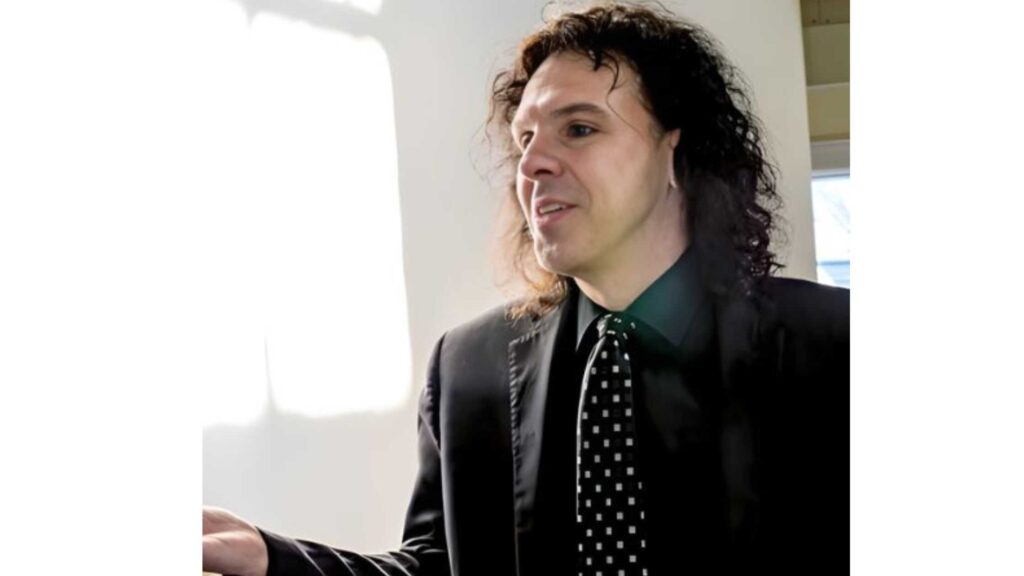
Interviewer: Anthony Wing from Sarnia, to start us off, how did your journey into oyster catering and oyster shucking begin?
Anthony Wing:- The journey began with curiosity and hands-on learning rather than a fixed plan. Working around food and hospitality created a strong appreciation for how people connect over shared experiences. Oysters stood out because they combine skill, freshness, and storytelling in a single moment. Learning to shuck properly took patience and practice, but it also revealed how performance and precision can exist together. Over time, this passion turned into a profession built on respect for the product, the process, and the people enjoying it.
Interviewer: Anthony Wing, what first attracted you to oysters as a craft rather than just a food item?
Anthony Wing:- Oysters offer more than taste; they carry history, place, and technique. Each shell tells a story about where it came from and how it was handled. That depth made them feel like a craft rather than a menu item. Shucking requires focus, rhythm, and confidence, which creates a natural performance element. Serving oysters fresh and correctly allows people to experience them at their best, making the role feel meaningful and interactive rather than routine or repetitive.
Interviewer: What does oyster shucking teach you about patience and precision?
Anthony Wing:- Shucking oysters teaches respect for timing and control. Rushing can damage the oyster, while hesitation can slow the flow of service. The balance comes from practice and awareness. Every oyster is slightly different, so attention matters. Over time, this skill builds confidence and calmness under pressure. These lessons extend beyond food into daily work and interactions, reinforcing the idea that quality comes from steady effort rather than shortcuts or speed alone.
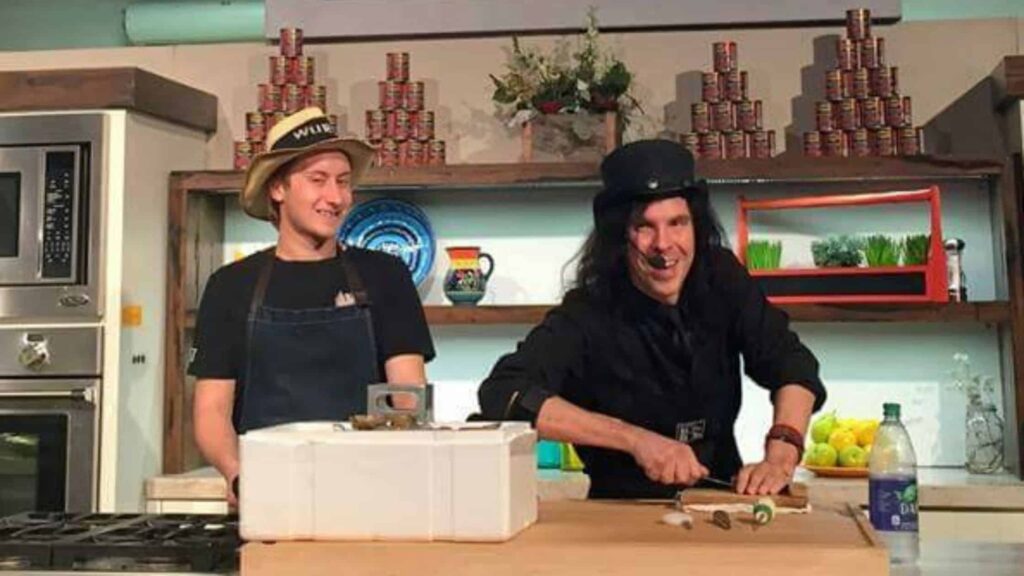
Interviewer: How do you prepare mentally and physically for a live oyster catering event?
Anthony Wing:- Preparation starts well before the event begins. Tools are checked, oysters are inspected, and the setup is planned for smooth movement and guest interaction. Mentally, the focus is on energy and openness, knowing that guests may be curious or new to oysters. Staying relaxed helps create a welcoming environment. Physical readiness matters too, as shucking for hours requires endurance and proper technique to maintain consistency and safety throughout the event.
Also Read :- Interview With Steven Adinolfi About Creating Strong Sales Processes
Interviewer: How do you help first-time oyster eaters feel comfortable and excited?
Anthony Wing:- Many guests approach oysters with hesitation, so creating a friendly and pressure-free atmosphere is key. Explaining flavors in simple terms and offering guidance on how to eat them builds confidence. Encouragement works better than instruction, allowing people to explore at their own pace. When guests feel supported instead of judged, curiosity replaces fear. That moment of first tasting often becomes memorable, turning uncertainty into enjoyment and interest.
Interviewer: Anthony Wing from Sarnia, what role does storytelling play in oyster catering?
Anthony Wing:- Storytelling transforms oyster service into an engaging experience. Sharing where oysters come from, how they grow, and why they taste different helps guests feel connected to what they’re eating. These stories don’t need to be complex; even small details add meaning. When people understand the journey from water to plate, appreciation grows. This connection makes the experience feel personal rather than transactional, leaving a lasting impression beyond the event.
Interviewer: How do live events differ from traditional food service settings?
Anthony Wing:- Live events are dynamic and unpredictable, which makes adaptability essential. Guests may ask questions, take photos, or watch closely, creating a shared moment rather than a private meal. Energy flows between the service and the crowd. Unlike traditional settings, live catering allows direct interaction, feedback, and conversation. This connection makes each event unique, requiring attentiveness and flexibility while maintaining consistent quality and professionalism.
Interviewer: What challenges come with oyster catering, and how do you handle them?
Anthony Wing:- Challenges include maintaining freshness, managing time, and adapting to different venues. Temperature control and proper storage are critical, while speed must never compromise quality. Unexpected situations can arise, so problem-solving becomes part of the job. Staying calm and prepared helps overcome these obstacles. Experience builds confidence, making it easier to handle pressure while ensuring guests receive a safe, enjoyable, and polished experience every time.
Interviewer:- What does sustainability mean to you in the oyster industry?
Anthony Wing:- Sustainability means respecting the environment and supporting responsible sourcing. Oysters are closely tied to their ecosystems, so choosing reliable suppliers matters. Educating guests about where oysters come from also raises awareness. Thoughtful practices help protect the future of the industry while maintaining quality. Sustainability isn’t just about environmental impact; it’s also about preserving skills, traditions, and livelihoods connected to oyster farming and service.
Interviewer: How do you balance performance and professionalism while shucking?
Anthony Wing:- Balancing performance with professionalism requires intention. While shucking naturally draws attention, the focus remains on cleanliness, safety, and respect for the food. Engaging guests through conversation and demonstration adds energy without becoming distracting. The goal is to enhance the experience while maintaining trust and quality. When done correctly, performance becomes a natural extension of skilled service rather than a separate act.
Interviewer: How has oyster shucking shaped your personal growth?
Anthony Wing:- Oyster shucking has encouraged discipline, confidence, and adaptability. Repetition builds mastery, while live settings improve communication skills. Facing challenges during events strengthens problem-solving abilities. Over time, these experiences shape a mindset focused on continuous improvement. The craft teaches humility, reminding us that there is always more to learn, whether through technique refinement or understanding guest preferences.
Interviewer: Anthony Wing from Sarnia, what makes a great oyster catering experience memorable?
Anthony Wing:- A memorable experience comes from attention to detail and genuine interaction. Fresh oysters are essential, but the atmosphere matters just as much. Friendly conversation, smooth service, and thoughtful presentation elevate the moment. Guests remember how they felt, not just what they ate. When service feels personal and welcoming, it leaves a positive impression that extends beyond the event itself.
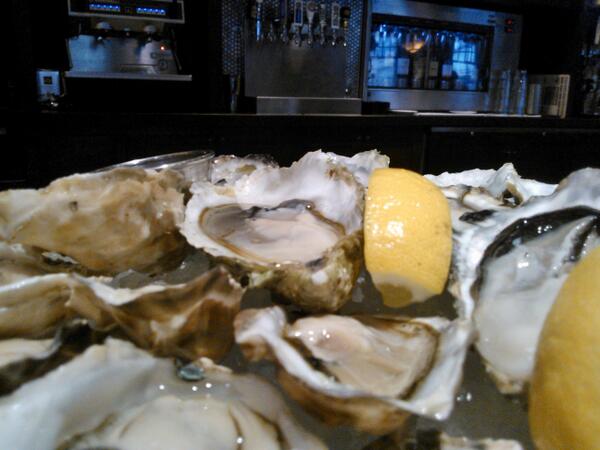
Interviewer: How do competitions influence your approach to oyster shucking?
Anthony Wing:- Competitions sharpen focus and highlight the importance of precision. They encourage efficiency without sacrificing quality. Preparing for competitions builds discipline and respect for technique, which carries into everyday work. The experience also reinforces humility, as there is always someone faster or more skilled. This mindset encourages continuous learning and improvement rather than complacency.
Interviewer: How do you keep oyster service fresh and engaging for repeat guests?
Anthony Wing:- Keeping things engaging means adapting to the audience. Sharing new details, introducing different oyster varieties, or changing presentation styles keeps the experience interesting. Listening to guest feedback helps shape future events. Variety and responsiveness prevent repetition, ensuring that even familiar guests feel excitement and discovery during each interaction.
Interviewer:- What advice would you give to someone interested in learning oyster shucking?
Anthony Wing:- Start with patience and proper instruction. Learning the basics safely is essential before focusing on speed. Practice builds confidence, but respect for the oyster should always come first. Observing experienced shuckers and asking questions helps accelerate learning. Most importantly, stay curious and open to feedback, as improvement comes from consistent effort over time.
Interviewer: How important is guest education during oyster events?
Anthony Wing:- Guest education enhances enjoyment and confidence. Simple explanations about flavor, texture, and origin help people appreciate oysters more deeply. Education doesn’t need to feel formal; casual conversation often works best. When guests understand what they’re tasting, they engage more fully. This knowledge transforms a quick bite into a meaningful experience.
Interviewer: How do you adapt oyster catering for different types of events?
Anthony Wing:- Each event has its own rhythm and expectations. Weddings, corporate gatherings, and festivals all require different approaches. Adjusting pacing, interaction level, and presentation ensures the service fits the setting. Flexibility allows the experience to feel natural rather than forced. Understanding the audience helps tailor the service while maintaining consistent quality.
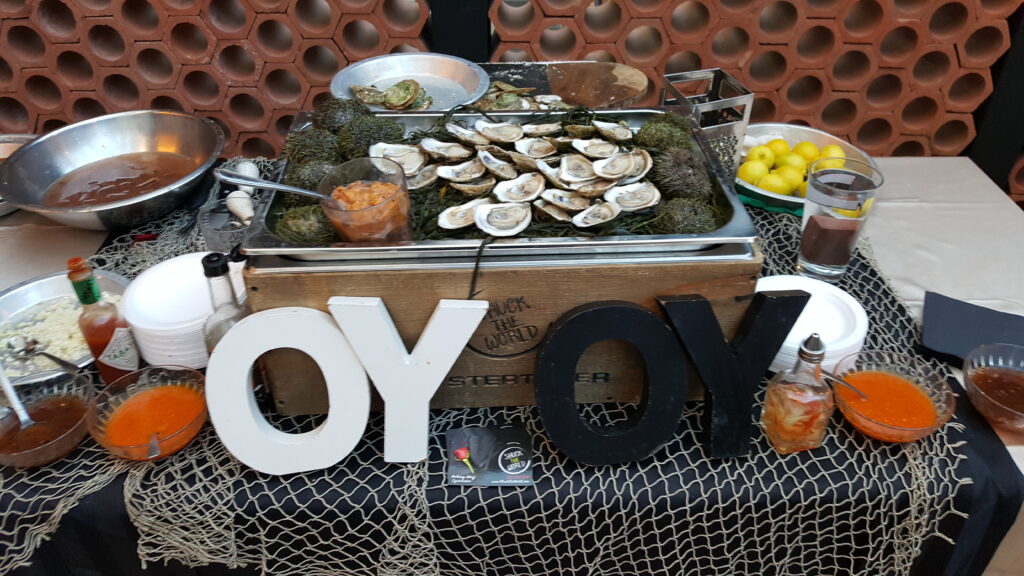
Interviewer: What role does confidence play in live shucking?
Anthony Wing:- Confidence reassures guests and improves efficiency. Calm movements and steady technique create trust, especially for those watching closely. Confidence comes from preparation and experience rather than showmanship. When confidence is grounded in skill, it enhances both safety and enjoyment, making the experience smooth and comfortable for everyone involved.
Interviewer: How do you see oyster catering evolving in the future?
Anthony Wing:- Oyster catering is becoming more experiential, with a greater focus on interaction and education. Guests are seeking authenticity and connection rather than simple service. Sustainability and storytelling will likely play larger roles. As interest grows, the craft will continue to blend tradition with creativity, offering new ways to engage people through food and performance.
Interviewer: Anthony Wing from Sarnia, as we close this interview, what message would you like to leave with oyster lovers and event hosts?
Anthony Wing:- Oysters are about more than taste; they represent connection, craft, and shared moments. Approaching them with curiosity and respect enhances the experience for everyone involved. Whether hosting an event or trying oysters for the first time, openness makes the difference. Thoughtful service and genuine engagement turn simple gatherings into memorable occasions, leaving guests with lasting impressions long after the shells are cleared.