
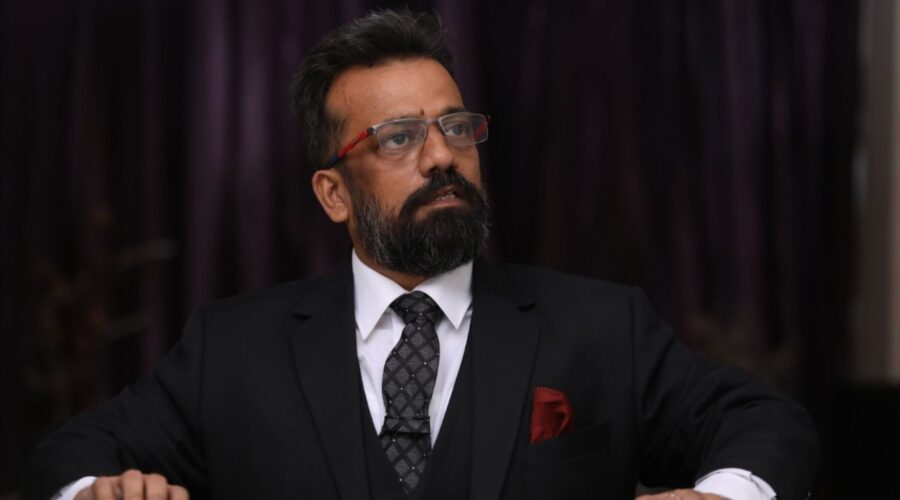
Today, we had the opportunity to speak with Umesh Arora, a businessman from Gurugram who is both a Chartered Accountant and lawyer by profession. He is the founder of ventures such as Ganpati Arcade, US SOBO Wellness, and Vaidyaacharya, each built with a focus on creating livelihoods and bringing structured wellness solutions to communities. His larger goal is to generate 100,000 jobs across India through enterprises that combine financial discipline with social impact.
In this interview, Umesh Arora shares how his ventures connect wellness and employment, and why his structured approach to entrepreneurship is redefining how businesses can impact communities in India.
Interviewer: Umesh Arora, thank you for joining us. Your goal is to redefine the concept of wellness and employment. What does that mean in practical terms?
Umesh Arora: Thank you. Redefining wellness means making healthcare practices like Ayurveda structured, professional, and accessible. For too long, traditional systems were either informal or inconsistent in their delivery. With our wellness centres, we have created environments where patients can expect care that is reliable, clean, and respectful. On the employment side, redefining means moving away from short-term or unstable work. A dignified job gives security, learning, and a sense of growth. My work connects these two ideas, because when wellness centres expand, they provide livelihoods for therapists, support staff, vendors, and logistics partners.
Interviewer: What led you to place employment at the core of your entrepreneurial journey?
Umesh Arora: It came from a simple observation. In India, creating a livelihood has a deeper meaning than just earning money. It gives dignity and stability to families. When I thought about building businesses, I asked myself what their real outcome should be. Profit is necessary for survival, but the larger outcome is how many people find reliable work through the ventures. That is why I set the measurable goal of 100,000 jobs. It helps me stay focused on the broader impact, not just the balance sheet.
Interviewer: Before entrepreneurship, you had a strong corporate career. Why step away from that path?
Umesh Arora: Corporate life gave me a foundation, but I also saw its limits. At Sona Steering, I gained experience in governance, finance, and team management. I learned that discipline in numbers can solve difficult problems. But at some point, I realized the kind of impact I wanted was not possible while working only within an established company. Starting my own ventures gave me the freedom to connect business models directly to community impact. That shift was necessary for the goals I had in mind.

Interviewer: In 2017, you expanded into wellness with US SOBO Wellness. What motivated that move?
Umesh Arora: I saw a clear gap. Ayurveda has strong roots in India, but the way it was delivered was often fragmented. Patients either had access to informal setups or very expensive retreats, with little in between. I wanted to bring structure and dignity to this field. US SOBO Wellness centres and spas were designed to deliver Ayurvedic treatments in clean, professional, and caring environments. This approach created employment for trained therapists, managers, and service staff, while also making Ayurveda accessible to local communities.
Interviewer: Many entrepreneurs struggle with scaling while keeping standards intact. How do you manage that balance?
Umesh Arora: The answer is structure. Every venture I run is based on clear processes, compliance, and governance. We do not open a new centre unless we know the systems are ready to be replicated. For me, growth is not about the number of locations alone. It is about whether the same standards can be maintained. We look at impact metrics like employee retention and customer satisfaction alongside financial results. That is how we keep balance while scaling.

Interviewer: Your background in finance clearly influences your work. How does financial discipline connect to wellness and employment?
Umesh Arora: Strong financial discipline is at the centre of everything. Without it, even the best ideas collapse. For me, financial clarity is not about cost-cutting but about purpose. Every rupee must serve either the customer or the team. When accounts are transparent and governance is strict, employees feel secure, and customers trust the brand. That trust allows us to expand responsibly, which in turn creates more jobs. So finance is not separate from impact. It is the foundation that makes impact possible.
Interviewer: You often speak about dignified employment. What does that mean in practice?
Umesh Arora: A dignified job is one where a person feels respected, secure, and has a chance to grow. It is not just about getting hired. For example, a therapist in one of our centres should not only have work but also access to training, career progress, and recognition. A technician in our supply chain should feel that his role is stable and valued. When people feel supported, they deliver better, and the business grows stronger. Dignity is the difference between a job and a livelihood.

Interviewer: Let’s talk about wellness again. How do you see Ayurveda contributing to modern healthcare in India?
Umesh Arora: Ayurveda is not an alternative; it is part of our heritage. But for it to serve modern needs, it must be delivered professionally. By combining Ayurvedic treatments with service standards expected in modern clinics and spas, we give patients confidence. It also creates an industry where employment can grow. Therapists, researchers, product developers, and logistics teams all find meaningful work in this sector. If structured properly, Ayurveda can become a significant contributor both to public health and to job creation.
Interviewer: What advice would you share with entrepreneurs who want to combine profit with purpose?
Umesh Arora: Start with clarity. Decide why you are building a business and what you want it to achieve beyond revenue. Once you have that clarity, put in place strict processes for finance, governance, and compliance. Do not cut corners on structure. And remember that people are the real engine of any business. If you invest in them, treat them fairly, and give them room to grow, the business will not only survive but also create lasting impact.

Interviewer: Umesh Arora, thank you for this conversation. Your journey shows how business can serve both health and employment needs in India. We look forward to following how your vision develops.
Umesh Arora: Thank you. I believe wellness and employment should go hand in hand. If entrepreneurs can focus on both, they will not only build strong businesses but also stronger communities.