

We had the opportunity to speak with Cecilia Gomer, a creative producer working in micro drama production, a storytelling format designed for short, mobile-first viewing. With hands-on experience in planning and producing short-form drama, Cecilia Gomer understands how storytelling must adapt to fast viewing habits and vertical screens. In this interview, Cecilia Gomer explains the art of creating strong stories in a limited time frame. She shares practical insights on storytelling, pacing, visual planning, and production choices that work best for micro drama. She also discusses how clear storytelling and focused production help deliver high-quality short-form drama for today’s audiences.
Interviewer: Today, we’re joined by Cecilia Gomer to discuss the art of micro drama production and how storytelling is shaped for short-form, mobile viewing. Thank you for being here, Cecilia Gomer.
Cecilia Gomer: Thank you for having me. Micro drama production is important because audiences now watch stories in shorter moments on their phones. This format requires clear ideas, strong emotion, and focused storytelling. Creating meaningful stories in a short time is a creative challenge, but when done well, micro drama can connect deeply with viewers and deliver powerful experiences.
Interviewer: What does micro drama production mean to you?
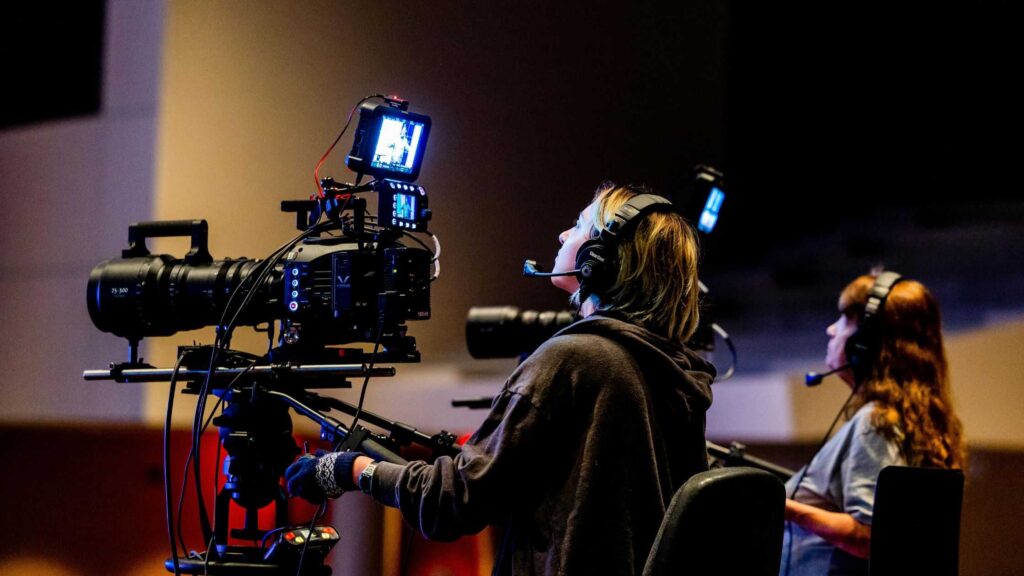
Cecilia Gomer: Micro drama production means telling a complete story in a very short time. The story must be clear, emotional, and easy to understand. Because the format is short, every second is important. You cannot waste time on extra scenes. The goal is to create strong storytelling that feels natural on mobile screens while still looking professional and cinematic.
Interviewer: Why is micro drama becoming so popular today?
Cecilia Gomer: Micro drama is popular because people spend more time on their phones. They prefer short content that fits into their daily routine. Micro dramas give them emotional stories in a short time. Social platforms support short vertical videos, which makes this format easy to watch and share. It also helps creators reach audiences faster and more effectively.
Also Read: Alcide Honoré Says, “Lost Revenue Is a Problem that Good Systems Can Solve.”
Interviewer: How is micro drama different from traditional drama?
Cecilia Gomer: The main difference is length. Traditional drama has more time to build stories and characters. Micro dramas must do this very quickly. Scenes are shorter, and dialogue is simple and direct. Visual storytelling becomes more important. Micro drama also focuses on vertical video, which changes how scenes are framed and filmed.
Interviewer: How important is storytelling in micro drama?
Cecilia Gomer: Storytelling is the most important part of micro drama. Without a strong story, short content will not work. The story must start quickly and create emotion fast. There is no space for unnecessary moments. Every scene should move the story forward. Simple and clear storytelling helps connect with viewers in a short time.
Interviewer: What is a vertical show in micro drama production?
Cecilia Gomer: A vertical show is a story made specifically for vertical screens like smartphones. It is designed to be watched while holding the phone upright. In micro drama, vertical shows help creators connect better with viewers because the format feels natural. The framing focuses more on faces, actions, and emotions. Vertical shows are short, engaging, and built for mobile-first platforms.
Interviewer: How does producing a vertical show change the creative process?
Cecilia Gomer: Producing a vertical show changes how stories are planned and filmed. Shots must fit the vertical frame, so composition becomes very important. Close-ups are used more often, and background details are simplified. Blocking and movement are adjusted to stay within the frame. The creative process becomes more focused, with attention on clarity, emotion, and mobile viewing comfort.
Interviewer: How do you plan shots for micro drama?
Cecilia Gomer: Shot planning is very focused on micro drama. Since viewers watch on small screens, shots must be clear and strong. Close-up shots work well to show emotion. Each shot should support the story and fit the vertical format. Planning shots carefully helps save time and improves the final result.
Interviewer: Why is vertical video important for micro drama?

Cecilia Gomer: Vertical video feels natural because people hold their phones upright. Micro drama is made for mobile viewing, so vertical framing works best. It helps keep viewers engaged and comfortable. Vertical video also allows stronger focus on faces and actions. When used well, it can still feel cinematic and emotional.
Interviewer: How do you keep viewers interested in such a short time?
Cecilia Gomer: The first few seconds are very important. A strong opening helps catch attention quickly. Clear conflict, emotion, or curiosity keeps viewers watching. The pacing must be fast but easy to follow. Music, editing, and visuals all help maintain interest until the end of the story.
Interviewer: What challenges do you face in micro drama production?
Cecilia Gomer: The biggest challenge is telling a full story in a short time. There is no room for mistakes. Everything must be clear and focused. Another challenge is balancing speed with quality. Productions move quickly, but quality must remain high. Good planning helps manage these challenges effectively.
Interviewer: How important is editing in micro drama?
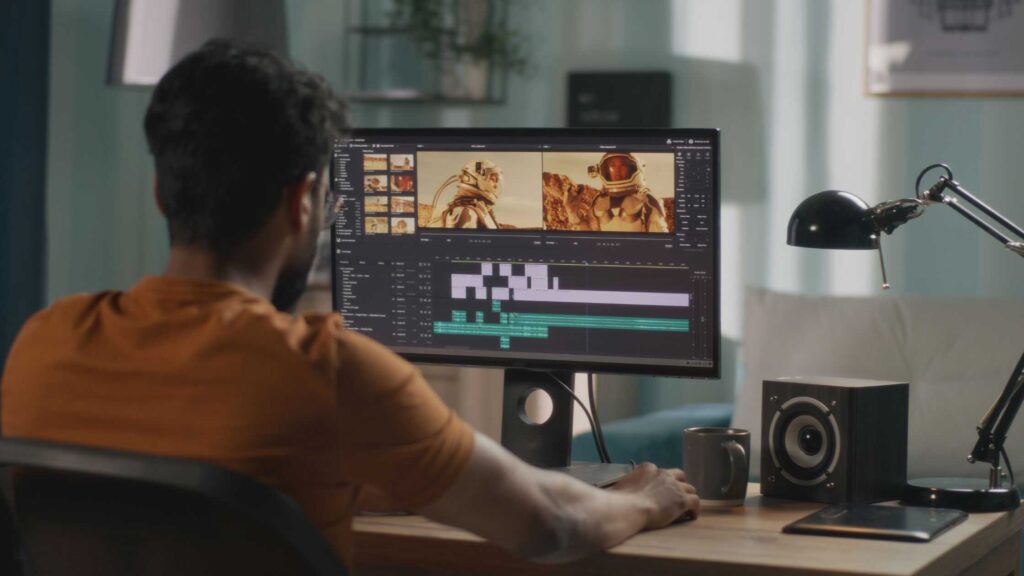
Cecilia Gomer: Editing is extremely important in micro drama. It controls pacing, emotion, and flow. Good editing helps the story feel smooth and complete. Cuts must feel natural and not rushed. Sound and music also play a big role. Strong editing turns short clips into a powerful story.
Interviewer: Why are vertical shows effective for micro drama audiences?
Cecilia Gomer: Vertical shows are effective because they match how people naturally watch content on their phones. Viewers do not need to turn their screens, which makes watching easier and more comfortable. This helps keep attention longer. Vertical shows also feel more personal because they focus closely on characters. This makes emotional storytelling stronger in micro drama formats.
Interviewer: How do brands fit into micro drama storytelling?
Cecilia Gomer: Brands work best when they feel natural in the story. The story should always come first. When a brand fits smoothly into the narrative, it feels authentic. Micro drama allows brands to connect emotionally instead of using direct promotion. This creates better engagement with viewers.
Interviewer: What skills are most important for micro drama creators?

Cecilia Gomer: Strong storytelling skills are essential. Creators must understand mobile viewing habits. Planning, editing, and visual thinking are also important. Being flexible helps when working with short timelines. Good communication within the team makes the production process smoother and more efficient.
Interviewer: How do you maintain quality in short productions?
Cecilia Gomer: Quality comes from clear planning and focus. Knowing the story goal helps guide decisions. Even short content needs good lighting, sound, and framing. Attention to detail is important. When everyone understands the vision, it becomes easier to deliver high-quality micro drama.
Interviewer: What do you see as the future of micro drama production?

Cecilia Gomer: The future of micro drama is very strong. More platforms are supporting short-form storytelling. Audiences enjoy quick and emotional stories. Technology continues to improve mobile video quality. Micro drama will keep growing as creators find new ways to tell powerful stories in a short format.
Interviewer: Thank you, Cecilia Gomer, for sharing your thoughts on micro drama production and short-form storytelling. Your insights clearly explain how strong planning and clear storytelling shape this format.
Cecilia Gomer: Thank you for the opportunity. Micro drama shows that powerful stories do not need long formats. With clear vision, careful planning, and attention to detail, short-form drama can be just as impactful. This format continues to grow, and it offers exciting possibilities for creative storytelling on mobile platforms.