

We had the opportunity to speak with Logan Fahey Franz, a business leader known for growing service and technology companies through simple, steady steps. His work focuses on improving everyday operations, building strong teams, and using smart tools to help companies grow with confidence.
In this interview, Logan Fahey Franz explains why small improvements can lead to big wins in any organization. He shares insights on strengthening systems, improving teamwork, using technology wisely, and creating long-term success through clear, simple changes that make daily work smoother, faster, and more effective.
Interviewer: Today, we’re joined by Logan Fahey Franz, a business leader known for growing service and technology companies. Thank you for being here.
Logan Fahey Franz: Thank you for having me. I’m glad to share thoughts on how small improvements can create big wins and help companies grow with steady, simple steps.
Interviewer: What do you mean when you say small improvements can create big wins in business?

Logan Fahey Franz: Small improvements are small steps that make work smoother, faster, and clearer. When these small steps happen every day, they add up to big results. They help teams stay focused, avoid waste, and find better ways to solve problems. These changes may seem minor at first, but over time they create stronger systems, better service, and steady growth. Big wins often come from simple actions done well.
Read More: Le Fondateur De Tokbooster Affirme,”Les Médias Sociaux Évoluent Vers l’intention.”
Interviewer: Why are small improvements sometimes more powerful than big changes?
Logon Fahey Franz: Small improvements are easier to understand and quicker to apply. Teams can test them fast and adjust without stress. Big changes take more time, cost more, and can slow things down if they fail. Small improvements keep momentum strong because they give steady progress. When a company builds a habit of improving little things each day, the long-term gain becomes very large and far more reliable than one big move.
Interviewer: How can small improvements impact a company’s long-term success?
Logan Fahey Franz: Small improvements build a culture of growth. When teams constantly look for better ways to work, the business becomes more flexible and prepared for change. These tiny steps make systems cleaner, service faster, and decisions clearer. Over years, this creates strong performance and high value. Long-term success comes from doing the right things consistently, and small improvements help the company stay on track without losing focus or direction.
Interviewer: What areas inside a company benefit most from small improvements?

Logan Fahey Franz: Every part of a company benefits-operations, customer service, technology, planning, and team communication. Small improvements make tasks easier, reduce mistakes, and save time. They help teams understand what works and what doesn’t. When each area improves even a little, the whole company becomes more productive. The goal is not to change everything at once but to make steady progress in the places that keep the business moving forward.
Interviewer: How can leaders encourage a mindset of small improvements?
Logon Fahey Franz: Leaders can encourage this mindset by showing that small steps matter. They can ask teams for ideas, reward simple fixes, and make improvement part of daily work. When leaders listen and respond to suggestions, people feel comfortable sharing. Clear goals also help teams know what to improve. This culture grows when leaders support learning, allow testing, and focus on progress instead of perfection. Small improvements thrive when leaders value steady growth.
Interviewer: What role does technology play in supporting small improvements?
Logan Fahey Franz: Technology helps teams work faster and find clearer ways to complete tasks. Small upgrades like better tools, simple software, or improved tracking systems can remove delays and make work easier. Technology also gives real-time data, helping teams see what needs to change. These small tech steps help companies stay modern without large risks. When technology supports everyday tasks, the whole team can focus on meaningful work and produce stronger results over time.
Interviewer: How do small improvements help teams work better together?

Logan Fahey Franz: Small improvements strengthen teamwork by making tasks more organized and communication more open. When teams fix small issues quickly, trust grows and frustration decreases. Clear processes help everyone understand their roles and reduce confusion. When people see progress from their ideas, they participate more. This shared effort builds unity and energy. Over time, these small steps create a strong team environment where everyone feels responsible for making work better every day.
Interviewer: How can small improvements help a company stay competitive?
Logon Fahey Franz: Small improvements help a company react faster to change, adjust to customer needs, and find smarter ways to operate. Competitors may wait for big breakthroughs, but a company that improves every day stays ahead by building consistent momentum. These small upgrades keep operations efficient and service reliable. When a business grows in small steps, it becomes flexible, stable, and better prepared for new opportunities. This steady progress helps it remain strong in any market.
Interviewer: What is the first step a company should take to start focusing on small improvements?

Logan Fahey Franz: The first step is to observe daily work closely and understand where time is lost or tasks feel harder than they should. Teams should look for simple ways to make things smoother, like shorter steps or clearer instructions. Once these areas are identified, the company can make small changes and measure the results. Starting small builds confidence. When teams see improvement, they are encouraged to keep going and find more ways to grow.
Interviewer: How do small improvements affect customer satisfaction?
Logon Fahey Franz: Customers notice when things are easy, fast, and consistent. Small improvements help reduce waiting times, remove confusion, and make service more reliable. When a company fixes small issues before they grow, customers feel valued and understood. These steps help build trust and loyalty. Over time, the experience becomes smoother, and customers return because they feel the company cares about quality. Simple daily changes often create the strongest and longest-lasting customer relationships.
Interviewer: How can companies measure the effect of small improvements?
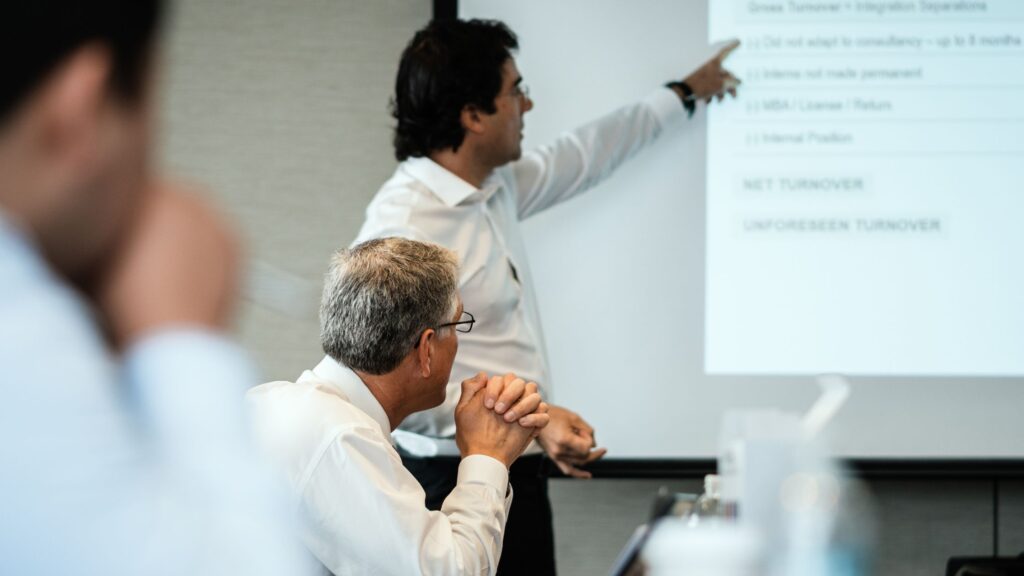
Logan Fahey Franz: Measuring small improvements starts with tracking simple things like time saved, fewer errors, better customer feedback, or smoother workflows. Each improvement should show a clear difference from before. Teams can use weekly reviews to compare progress and decide what to adjust next. These small measurements show whether the changes are working. When companies document these results, they can see how each step adds up to bigger success over months and years.
Interviewer: How often should teams look for small improvements?
Logon Fahey Franz: Teams should look for small improvements every day. This does not mean making big changes daily, but noticing small issues and ideas for better work. When improvement becomes part of daily thinking, it feels natural instead of forced. Regular reflection helps teams stay aware and proactive. Even one small idea each week can make a large difference over time. Consistency is the key, and steady attention leads to big long-term results.
Interviewer: What challenges do companies face when trying to make small improvements?

Logan Fahey Franz: The biggest challenge is thinking that small changes don’t matter. Some teams wait for big solutions and overlook simple fixes. Another challenge is keeping the habit going, especially during busy times. People may also fear trying new ideas. To overcome these challenges, companies need clear communication, support from leaders, and a process for testing ideas. Once teams see early wins, challenges fade and small improvements become part of everyday work.
Interviewer: How can companies keep improvement simple instead of overwhelming?
Logan Fahey Franz: Companies can keep things simple by choosing one small area to improve at a time and keeping goals clear. Breaking tasks into small pieces helps teams avoid stress and stay focused. Small improvements work best when they fit into daily routines instead of creating extra work. Clear communication and short check-ins make the process easier. When people understand that small steps are enough, improvement feels natural and achievable instead of overwhelming.
Interviewer: How do small improvements help build strong business systems?
Logon Fahey Franz: Small improvements help create systems that are organized, reliable, and easy to follow. Each improvement fixes small gaps, reduces confusion, and makes processes smoother. Over time, these steps create a strong structure that supports consistent performance. Good systems come from paying attention to the details that shape daily work. When small issues are solved early, the whole business becomes more stable, efficient, and prepared to grow with confidence and clarity.
Interviewer: How can small improvements inspire innovation?
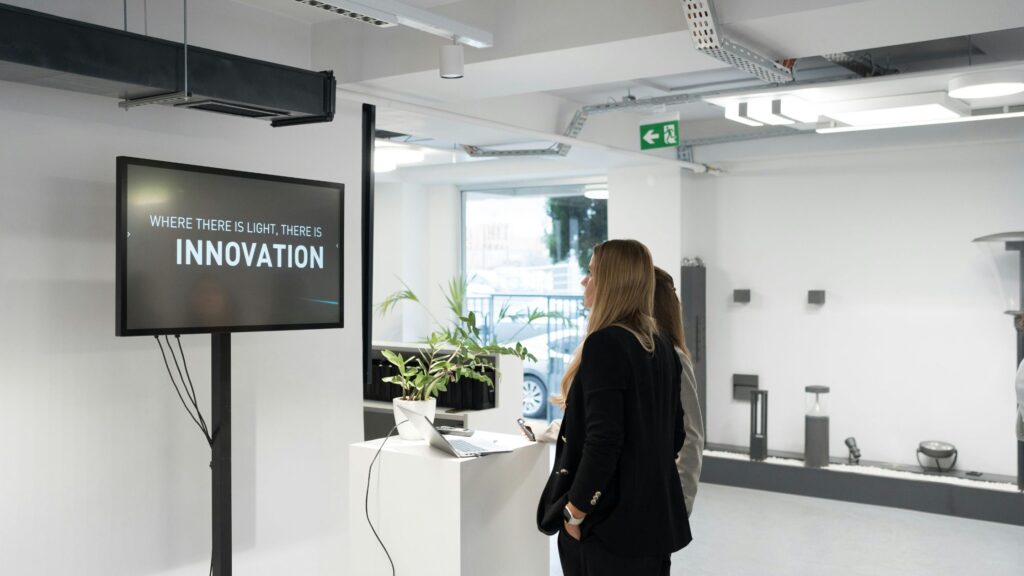
Logan Fahey Franz: Small improvements help teams think creatively by encouraging them to question how things are done. When people feel free to make small changes, they also feel free to try new ideas. These small tests often lead to larger insights and stronger solutions. Innovation does not always start with a big idea; it grows from noticing small problems and finding smarter ways to fix them. Small improvements open the door to bigger breakthroughs over time.
Interviewer: How can small improvements help companies use technology more effectively?
Logan Fahey Franz: Small steps with technology help teams learn new tools without stress. Instead of large upgrades, companies can start with simple features that make daily work easier. These small changes help people adapt and understand the value of the tool. Over time, the business can add more features or systems as comfort grows. This steady approach reduces risk and cost while making sure the technology truly supports work and improves performance.
Interviewer: Logan Fahey Franz, What final message would you share about the power of small improvements?
Logon Fahey Franz: Small improvements are the foundation of strong and lasting success. They help teams stay focused, flexible, and ready for change. When everyone works together to fix small problems and improve simple tasks, the entire company grows. Big wins happen when people commit to steady progress, not sudden leaps. By valuing small steps, a business builds confidence, strength, and momentum. Over time, these small actions create meaningful and lasting results.
Interviewer: Thank you again Logan Fahey Franz for your time and for sharing your insights so openly. Your thoughts are extremely valuable, and we appreciate your perspective on steady growth through small steps.
Logan Fahey Franz: Thank you for having me. I appreciate the thoughtful questions. I hope these ideas help others see the power of simple, steady improvements and use them to build stronger and more successful work.